Volume: 75 Issue: 1
House Farm Bill Sows Animal Welfare Setbacks
In March, the House Committee on Agriculture finalized its version of the long-overdue farm bill—HR 7567, the Farm, Food, and National Security Act of 2026—and it is a mixed bag for animal welfare. On the plus side, it reauthorizes until 2031 the Protecting Animals with Shelter grant program, which helps service providers expand their capacity to assist domestic violence survivors who have companion animals. Additionally, an amendment offered by Rep. Zach Nunn (R-IA) removed language raising the threshold on the level of suffering necessary before the US Department of Agriculture would even have to consider confiscating dogs from breeding facilities.
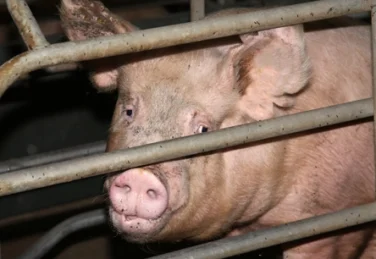
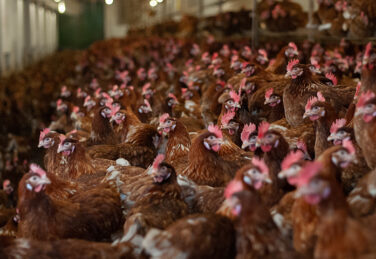
Otherwise, much of what was wrong with the bill remains. One of the most troubling provisions is the inclusion of the Save Our Bacon Act, which would nullify California’s Proposition 12 and other state-level measures that require more humane housing for farmed animals and prohibit the sale of products from animals raised in conditions that don’t meet the new standards. Underscoring the controversy surrounding this effort, Rep. Jim Costa (D-CA) offered and withdrew an amendment (meaning no vote took place) to strike that language.
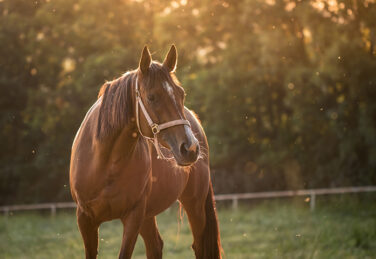
HR 7567 would also permit the sale of uninspected meat from “custom” slaughterhouses to consumers. According to AWI’s research, these facilities—which currently process meat for personal use, not for sale—are among the worst slaughter plants for humane handling violations. Moreover, despite overwhelming bipartisan support for the Save America’s Forgotten Equines (SAFE) Act (HR 1661/S 775) and requests from numerous members of the House, the bill fails to include a prohibition on the slaughter of American horses for human consumption.
Finally, the bill would allow the mink industry to receive taxpayer dollars for expanding into international markets, even though mink on fur farms incubate dangerous diseases such as COVID-19 and avian influenza, creating the perfect conditions for new variants to jump to humans. It is a poor use of federal dollars to subsidize an industry that American consumers have overwhelmingly rejected, and one that scientists confirm poses a severe risk to public health.
See more AWI Quarterly articles about: Farmed Animals
See more of type: Government/Legal, Quick Read