AWI and the History of Animal Welfare
Celebrating 75 Years of Advocacy

Photo by Animal Welfare Institute
Christine Gesell Stevens is born in St. Louis, Missouri.
Christine founds the Animal Welfare Institute (AWI) to alleviate animal suffering caused by humankind, with initial headquarters in the Empire State Building. Initial efforts focus on the welfare of animals in laboratories.
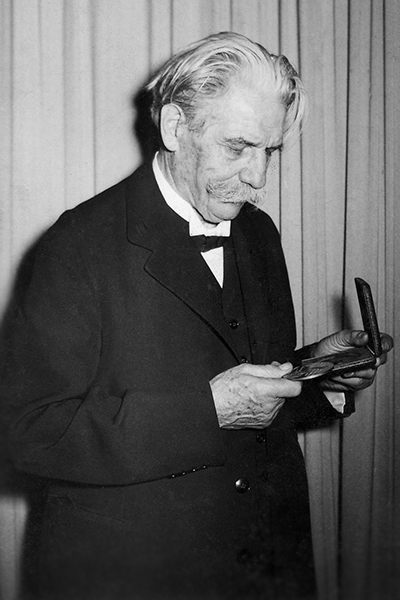
Photo by Animal Welfare Institute
Dr. Albert Schweitzer gives AWI permission to strike a medal in his honor to present to individuals in recognition of outstanding achievement in the advancement of animal welfare.
Learn MoreAWI publishes the first Information Report, precursor to the AWI Quarterly magazine.
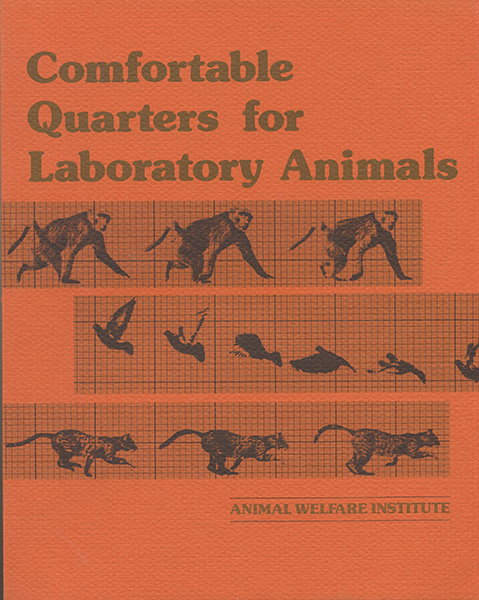
Photo by Animal Welfare Institute
AWI publishes Comfortable Quarters for Laboratory Animals, with plans and details for providing animals in laboratories with more humane housing conditions. Ten editions have been published to date, with an 11th edition currently in production.
AWI presents a gold replica of the Schweitzer Medal to Dr. Schweitzer. One year later, the first Schweitzer Medal is awarded to Dr. Robert Bay, a veterinarian who strove to create humane conditions for a colony of 500 beagles used in research.
The Society for Animal Protective Legislation (SAPL) is established as a companion organization to AWI. It is the first organization in the United States dedicated to the passage and promotion of animal welfare legislation.
Facts About Furs by Dr. F. Jean Vinter is published by the Universities Federation for Animal Welfare. AWI subsequently publishes two more editions of this book, which documents the severe cruelty of the fur trade, including the use of steel-jaw leghold traps.
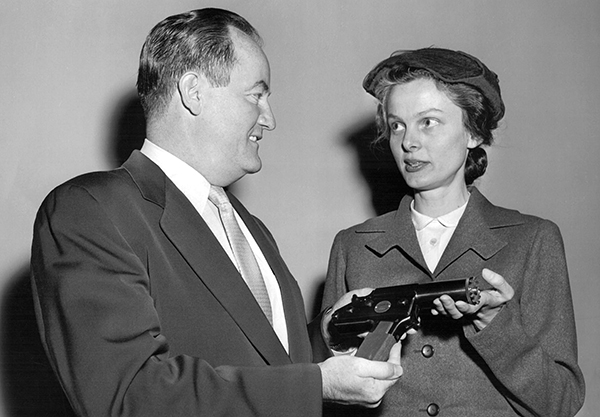
Photo by Animal Welfare Institute
The Humane Methods of Slaughter Act is signed into law. It requires that meat sold to the US government come from cattle, pigs, and other livestock (though not poultry) who were humanely handled and stunned prior to slaughter.
Learn MoreThe Wild Horse Annie Act is signed into law. It prohibits the poisoning of wild horse and burro waterholes and the use of motorized vehicles to round up wild horses for sale to slaughterhouses.
AWI publishes Humane Biology Projects to promote scientific training that doesn't inflict suffering on animals.
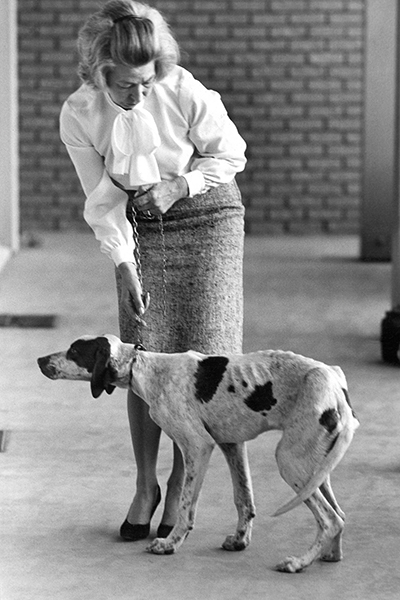
Photo by Stan Wayman
Life magazine publishes "Concentration Camps for Dogs" based on AWI laboratory animal consultant Dorothy Dyce's account of horrific conditions on the premises of a Maryland dog dealer who sold animals to laboratories. The article helps galvanize support for passage of the Laboratory Animal Welfare Act.
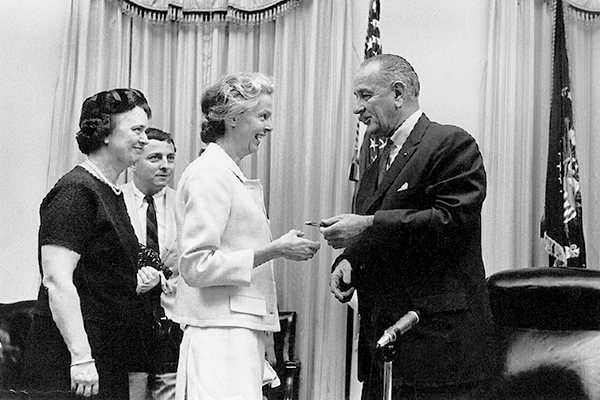
Photo by Animal Welfare Institute
The Laboratory Animal Welfare Act is signed into law. It sets minimum standards of care and housing for dogs, cats, primates, rabbits, hamsters, and guinea pigs on the premises of animal dealers and laboratories. To prevent theft of pets, it requires identification of all dogs and cats handled in commerce by dealers. Dealers must be licensed and laboratories must be registered.
The Endangered Species Preservation Act is signed into law. It authorizes the Department of the Interior to identify endangered native species of fish and wildlife and acquire habitat for such species for inclusion within the National Wildlife Refuge System.
AWI publishes Animals and Their Legal Rights, a survey of US animal protection laws. Three more editions of the book are subsequently published.
The Horse Protection Act is signed into law to protect walking horse breeds from soring the practice of inflicting pain on horses' legs and hooves to induce an exaggerated high-stepping gait for competitions.
Learn MoreThe Laboratory Animal Welfare Act is amended and renamed the Animal Welfare Act. The amendments extend the law's protections to warm-blooded animals in use or intended for use in research, exhibitions (e.g., zoos, circuses), or the pet trade. One year later, the USDA publishes regulations that contrary to the language of the statute exclude birds, rats, and mice from coverage under the law.
Learn More
Photo by Animal Welfare Institute
AWI and allies launch the Save the Whales campaign calling for an end to commercial whaling.
Congress passes resolutions calling for a 10-year international moratorium on commercial whaling.
The Wild Free-Roaming Horses and Burros Act is signed into law, providing for the protection and management of wild horse and burro populations.
Learn MoreAWI moves headquarters to Washington, DC (eventually to be sited in Christine and Roger's Georgetown home).
The Marine Mammal Protection Act is signed into law. It prohibits the killing, taking, or harassing of marine mammals without a permit. Earlier, in testimony before Congress in support of the bill, Christine played an excerpt from Songs of the Humpback Whale, a 1970 album produced by biologist and AWI Scientific Advisory Committee member, Dr. Roger Payne.
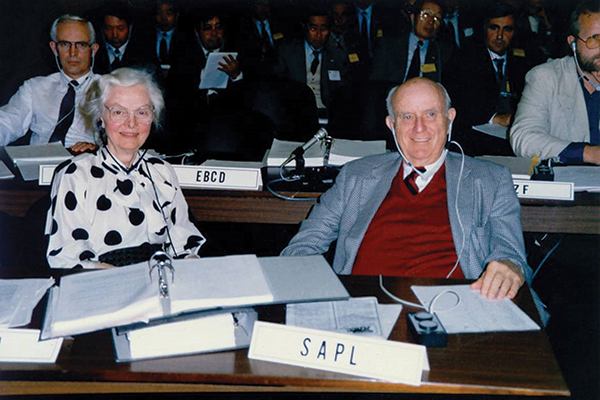
Photo by Animal Welfare Institute
Christine attends International Whaling Commission meeting in London to urge a global ban on commercial whaling.
Christine attends the plenipotentiary conference in Washington, DC, that launches the Convention on International Trade in Endangered Species of Wild Fauna and Flora (CITES).
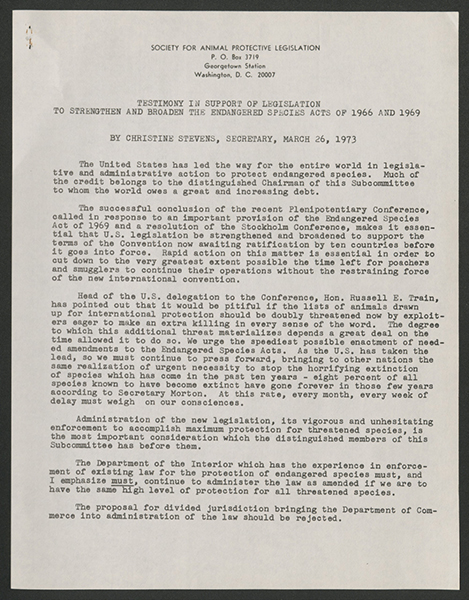
Photo by Animal Welfare Institute
The Endangered Species Act (ESA) is signed into law to protect and recover endangered and threatened species and the ecosystems upon which they rely. In testimony before Congress in support of the bill, Christine had stressed, "To turn the tide of extinction, a substantial edifice of rational protection has to be built. Each building block must be solid and strong."
Learn MoreA front-page article in The Wall Street Journal reports on AWI Scientific Committee member Dr. F. Barbara Orlans's findings that a large proportion of science projects involve the suffering and/or death of vertebrate animals.
The Animal Welfare Act is amended. Coverage is extended to animals held by carriers, intermediate handlers, and animal brokers. Coverage of dogs is expanded to "all dogs including those used for hunting, security, or breeding purposes." Commerce in animals for use in animal fighting is prohibited. Federal agencies using animals in laboratories are required to show full compliance with the law.
The Horse Protection Act is amended to increase civil fines and raise criminal penalties for soring.
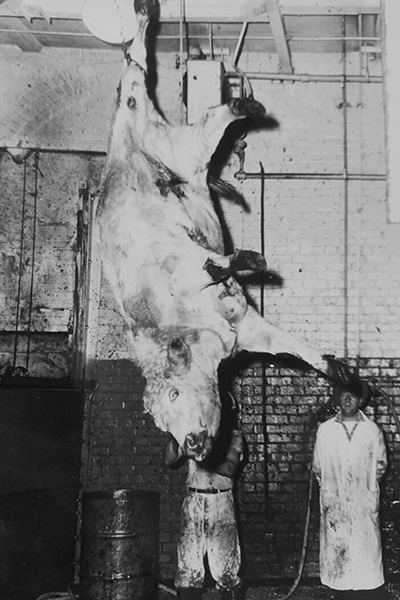
Photo by Animal Welfare Institute
The Humane Methods of Slaughter Act is amended to extend the humane handling requirements of the 1958 law to all commercial US slaughter plants and foreign plants exporting to the United States. USDA inspectors are empowered to stop the slaughter line if they observe violations.
The Packwood-Magnuson Amendment to the International Fishery Conservation and Management Act is signed into law. It severely restricts access to US waters of nations whose fishing practices diminish the effectiveness of international whaling agreements.
The National Science Teachers Association adopts A Code of Practice on Animals in the Schools, drafted by AWI Scientific Committee member Dr. Orlans.
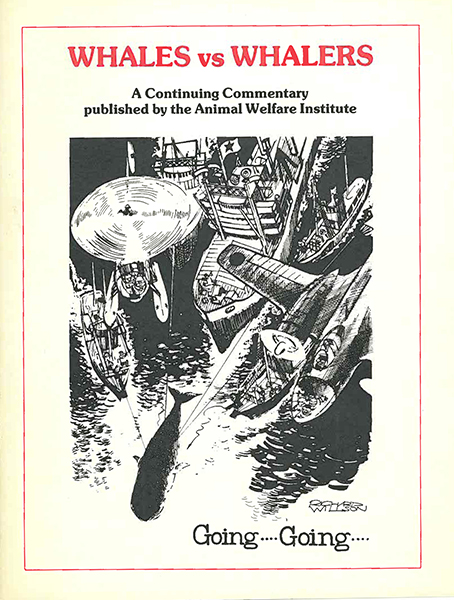
Photo by Animal Welfare Institute
AWI publishes Whales vs. Whalers, a history of the campaign to end commercial whaling.
Cathy Liss, who would become the organization's second president, begins an internship at AWI.
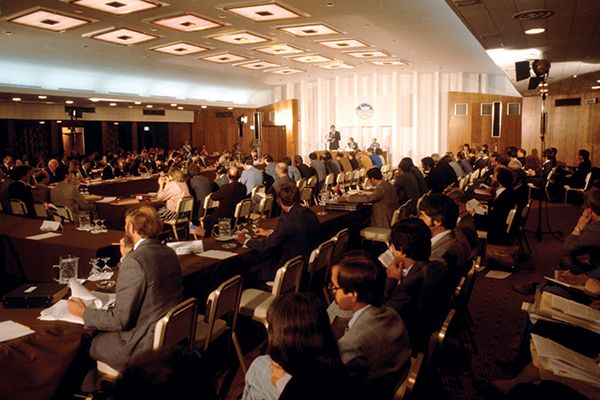
Photo by Greenpeace/Pierre Gleizes
Following intense pressure by the Save the Whales movement, the International Whaling Commission votes 25-7 to impose a moratorium on commercial whaling, to go into effect in 1986.
AWI publishes the Endangered Species Handbook to raise awareness of species in danger of extinction due to human causes.
AWI publishes Beyond the Laboratory Door, exposing massive noncompliance with the Animal Welfare Act and the continuing reality of animal suffering in laboratories.
The Improved Standards for Laboratory Animals Act is signed into law as a component of the Food Security Act, an omnibus farm bill. It adds provisions to the Animal Welfare Act designed to minimize the pain and distress of animals in research. Registered research facilities are required to establish institutional animal care and use committees (IACUCs) to engage in internal oversight.
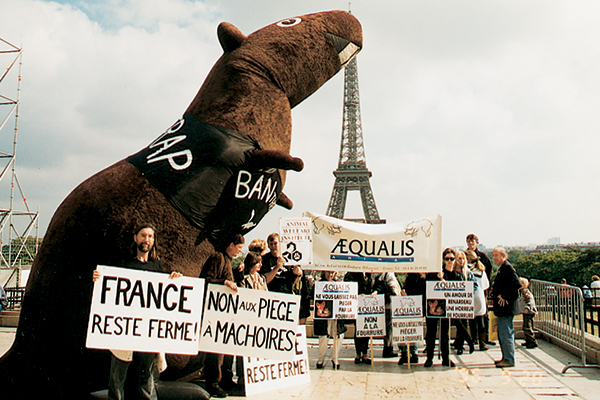
Photo by Animal Welfare Institute
AWI introduces Betsy, a 20-foot-tall inflatable beaver covered in fake fur, at the opening of the International Fur Fair in New York as part of campaign to ban steel-jaw leghold traps. Betsy goes on to tour the United States and Europe.
AWI publishes Factory Farming: The Experiment that Failed, documenting the grim conditions under which animals are kept in industrial agriculture and recommending practical alternative methods.
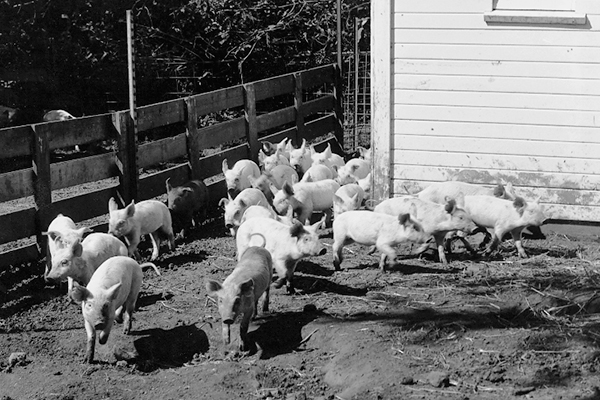
Photo by Animal Welfare Institute
With assistance from farmers, veterinarians, and ethologists who specialize in the natural behavior of farmed animals, AWI develops a set of pig husbandry standards, resulting the following year in the first USDA-approved package label for pork from pasture-raised pigs.
Concerted efforts by AWI and allies convince CITES member nations to ban international commercial trade in elephant ivory.
The Pet Theft Prevention Act is signed into law as a component of an omnibus farm bill. It amends the Animal Welfare Act to require, among other things, that animal shelters hold dogs and cats for five days before releasing them to dealers, giving owners time to find and claim missing pets.
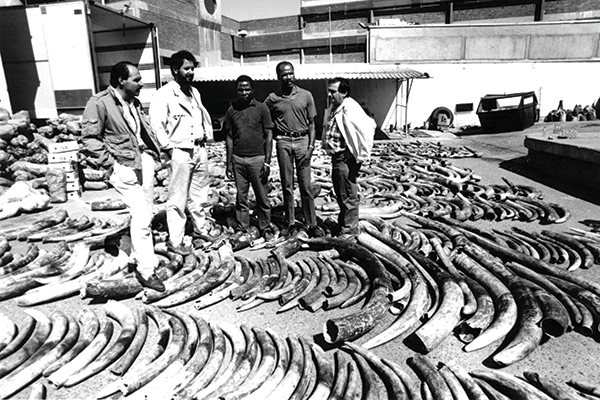
Photo by Animal Welfare Institute
AWI cofounds the Species Survival Network, an international coalition of organizations that works to strengthen CITES and address the increasing threat of wildlife trade to global biodiversity.
Learn MoreThe Wild Bird Conservation Act is signed into law. It prohibits the importation of exotic bird species that are most threatened by capture for the commercial pet trade.
Learn MoreThe International Dolphin Conservation Act is signed into law, allowing the United States to enter into international agreements to prohibit tuna fishing methods that result in high mortality of dolphins and other marine mammals.
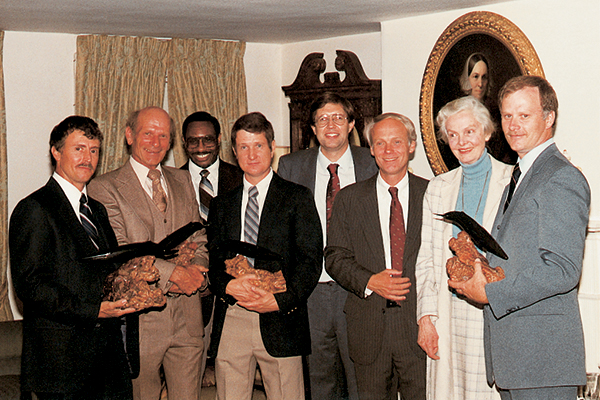
Photo by Animal Welfare Institute
First AWI Clark R. Bavin Wildlife Law Enforcement Awards are presented at the CITES Conference of the Parties meeting to 10 individuals in recognition of exemplary efforts to combat wildlife crime.
Learn More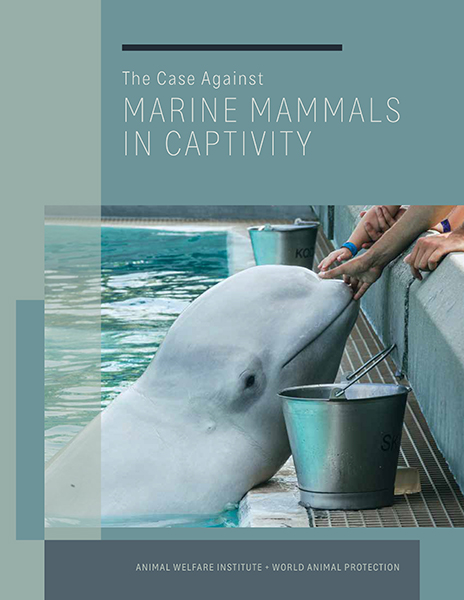
Photo by Animal Welfare Institute
The Case Against Marine Mammals in Captivity is published by the Humane Society of the United States, presenting the scientific arguments against holding marine mammals for public display in zoos, aquariums, and marine theme parks. After report coauthor Dr. Naomi Rose joins AWI's staff in 2013, AWI publishes the fifth and (current) sixth editions of the report, with versions in seven languages.
Learn MoreAWI's The Case Against Random Source Dog and Cat Dealers report is submitted to a House subcommittee in support of the Pet Safety and Protection Act, which aims to protect companion animals from illegal use in laboratory experiments.
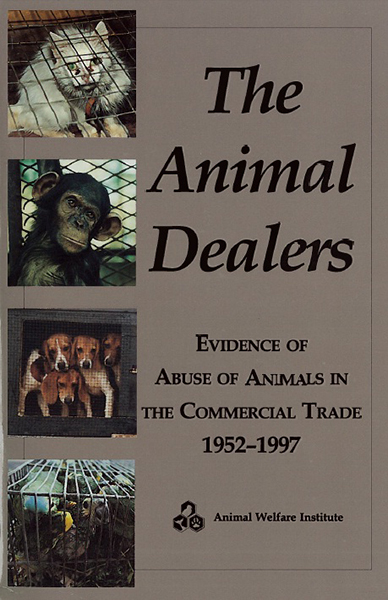
Photo by Animal Welfare Institute
AWI publishes The Animal Dealers: Evidence of Abuse of Animals in the Commercial Trade 1952 1997, an expos of cruelty, fraud, and negligence in the trade of dogs, cats, primates, birds, and reptiles.
After Smithfield Foods announces a planned expansion in Poland, AWI brings a Polish delegation of farm leaders to the United States to give them a firsthand look at Smithfield's industrial hog factories. AWI subsequently hosts another Polish delegation on a tour of US family farms raising pigs more humanely.
AWI launches the Refinement Database, a curated collection of scientific articles, books, and other publications on improving the welfare of animals in research through refinements to housing and handling methods.
Learn More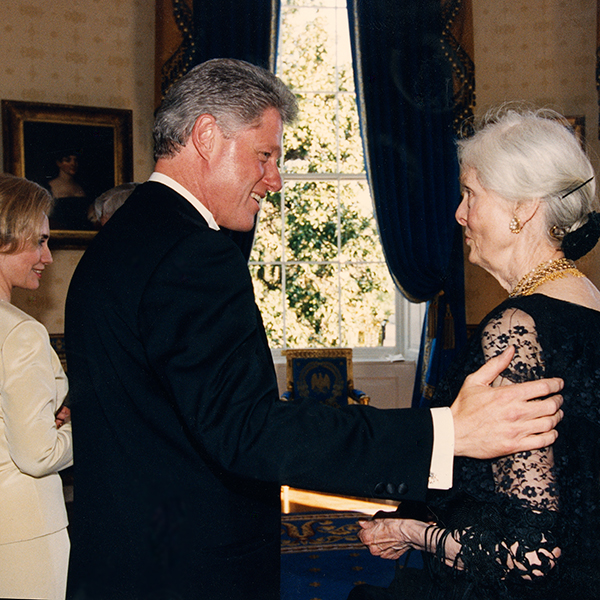
Photo by Animal Welfare Institute
Robby's Law is signed, ending the Department of Defense practice of euthanizing military working dogs at the end of their useful working life, and providing the dogs with an opportunity for adoption.
The Chimpanzee Health Improvement, Maintenance, and Protection (CHIMP) Act passes Congress by unanimous consent and is signed into law two weeks later. It establishes a national sanctuary system for chimpanzees no longer used in research.
AWI launches the Laboratory Animal Refinement and Enrichment Forum (LAREF), an online discussion group for those involved in the care of animals in laboratories to exchange ideas and experiences about housing and handling refinements to improve the animals' welfare.
Learn More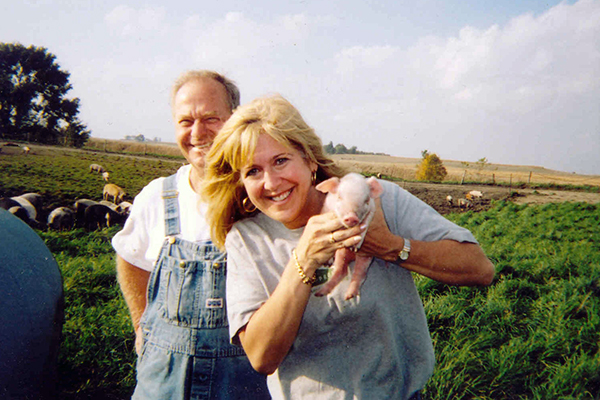
Photo by Animal Welfare Institute
Christine Stevens, AWI's founder and president dies at the age of 84, after more than 50 years at the helm. AWI executive director Cathy Liss is subsequently appointed president.
AWI vacates Christine's Georgetown home and moves its offices to Alexandria, VA.
The Society for Animal Protective Legislation is merged with AWI.
Susan Millward, who will become AWI's third leader, joins the organization.
With support from AWI, the Captive Primate Safety Act is introduced in Congress. The bill would prohibit interstate commerce in primates as pets.
Learn MoreAn Interior appropriations bill prohibits the use of federal funds to commercially sell or slaughter wild horses and burros during the fiscal year. With few exceptions, this ban has been reauthorized in each fiscal year's appropriations legislation since.
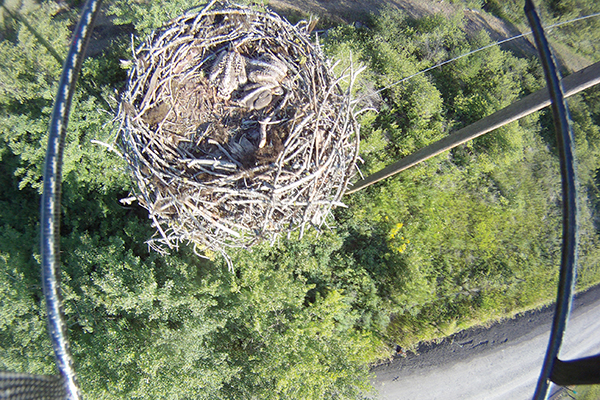
Photo by James Junda
AWI launches the Christine Stevens Wildlife Awards to fund research on humane methods of resolving conflicts between wild animals and humans. Later, the program expands to include projects to develop less intrusive techniques to study wildlife.
Learn More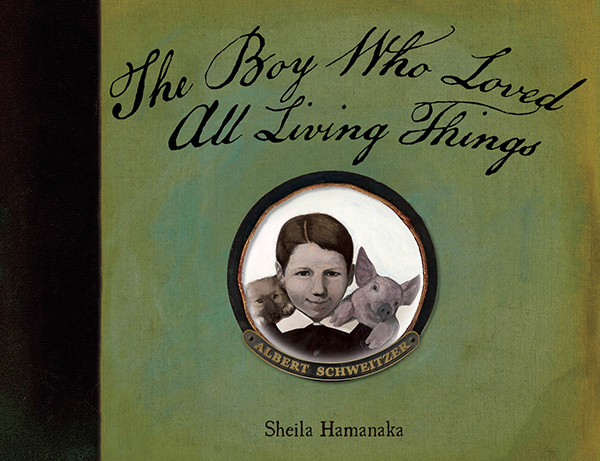
Photo by Animal Welfare Institute
AWI publishes The Boy Who Loved All Living Things: The Imaginary Childhood Journal of Albert Schweitzer, a book for children written and illustrated by Sheila Hamanaka and inspired by real events from Dr. Schweitzer's youth.
AWI launches the Compassion Index to track the voting records of members of Congress on important animal protection measures.
Photo by Animal Welfare Institute
AWI launches the Animal Welfare Approved program to certify farms adhering to the highest welfare standards for the treatment of farmed animals. The program is later transferred to the organization A Greener World.
AWI cofounds the Homes for Horses Coalition (HHC), a network of equine rescue, sanctuary, and animal welfare organizations across the nation dedicated to ending horse slaughter and other forms of cruelty to equines.
Learn MoreAWI launches a searchable online database of restaurants in the United States that continue to serve shark fin soup to call attention to the cruelty of shark finning and the devastating effect of the fin trade on shark populations.
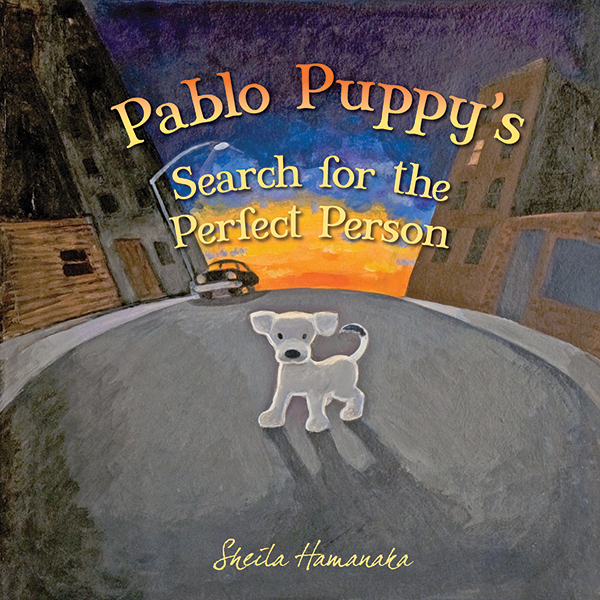
Photo by Animal Welfare Institute
AWI publishes Pablo Puppy's Search for the Perfect Person, written and illustrated by Sheila Hamanaka, about a puppy and an older dog living in a shelter. The book educates children about the needs of dogs and the importance of humane treatment of animals.
AWI releases Crimes Without Consequences: The Enforcement of Humane Slaughter Laws in the United States, a first-of-its-kind analysis of federal and state oversight of the welfare of livestock at slaughter. AWI has since released four Humane Slaughter Update reports analyzing enforcement in subsequent years.
Learn MoreAWI moves to 900 Pennsylvania Ave SE, Washington, DC.
AWI and allies win a federal lawsuit against a proposed industrial wind power facility in West Virginia that would have killed and injured endangered Indiana bats. The court victory results in additional protections to ameliorate the project's impact on bats and other wildlife.
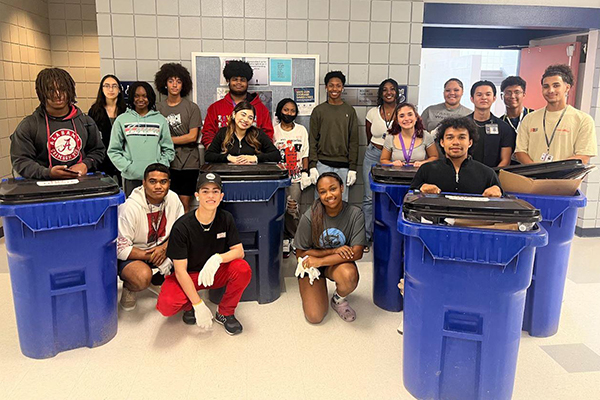
Photo by VJae Brown
AWI partners with the Humane Education Network on A Voice for Animals, an annual contest that offers cash prizes to high school students around the world for essays and videos on strategies to protect imperiled species and mitigate animal suffering.
Learn More
Photo by Animal Welfare Institute
AWI publishes Kamie Cat's Terrible Night, a children's book written and illustrated by Sheila Hanaka about the misadventures of a cat who gets lost and yearns to be home. The book reinforces concepts of kindness to animals and responsible cat care. AWI subsequently produces supplemental lesson plans and activities for Kamie Cat and the earlier Pablo Puppy book, as well as Spanish-language versions of the books and supplemental materials.
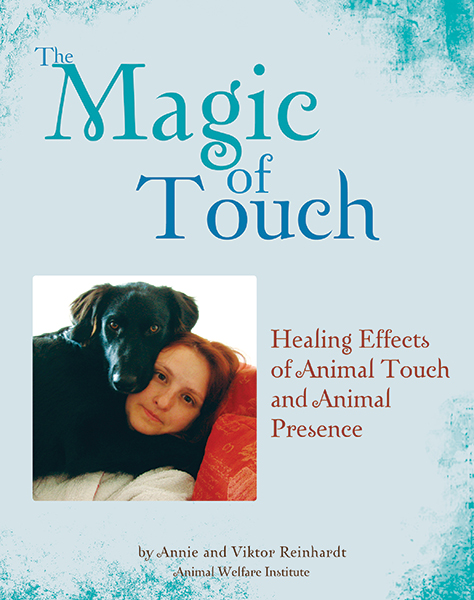
Photo by Animal Welfare Institute
AWI publishes The Magic of Touch: Healing Effects of Animal Touch and Animal Presence, by Viktor and Annie Reinhardt. The book presents evidence on the calming, stress-buffering, and life-enhancing effect of touch among animals, among humans, and between animals and humans. In 2017, a second edition of the book is published.
The Florida Fish and Wildlife Conservation Commission votes unanimously to ban coyote and fox penning, whereby packs of domestic dogs are released into an enclosure to chase and often maul captive wild canines.
In response to a lawsuit filed by AWI and allies, BP and the US Coast Guard agree to implement measures to prevent the burning of endangered sea turtles during operations to remove oil in the aftermath of the catastrophic Deepwater Horizon blowout and explosion in the Gulf of Mexico.
AWI applauds the Occupational Safety and Health Administration's decision to issue three citations against SeaWorld of Florida LLC in connection with its role in the tragic death of trainer Dawn Brancheau, who drowned in February 2010 after being pulled into a pool at SeaWorld Orlando by an orca named Tilikum.

Photo by David Atlas
Country music legend Willie Nelson and family record a version of The Rolling Stones' song "Wild Horses" and donated proceeds from its sale to AWI campaigns on behalf of wild and domestic horses.
Rancho Verde High School in Moreno Valley, California, becomes the first school to accept AWI's nationwide challenge to discontinue animal dissections.
The Horse Transportation Safety Act, AWI-supported legislation to ban unsafe and inhumane double-deck trailer transportation of horses, is introduced in Congress.
Learn MoreThe Refuge from Cruel Trapping Act, AWI-supported legislation to end the use of brutal traps on furbearing animals within federal wildlife refuges, is introduced in Congress.
Learn More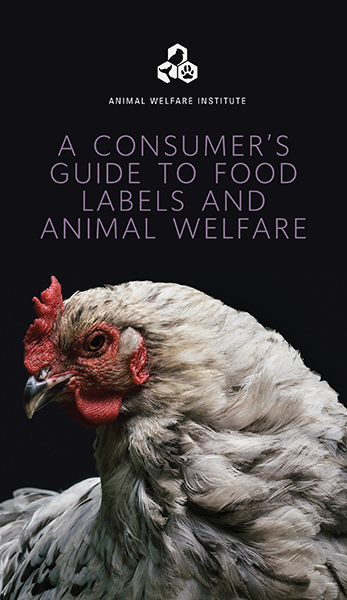
Photo by Animal Welfare Institute
AWI releases A Consumer's Guide to Food Labels and Animal Welfare to help consumers decipher humane claims on meat, egg, and dairy product packaging and choose higher-welfare options. The guide has been updated several times since.
AWI launches the National Safe Havens for Pets Mapping Project (now Safe Havens for Pets) to serve as a comprehensive state-by-state directory of sheltering services for pets of domestic violence survivors.
Learn MoreThe National Marine Fisheries Service denies a permit application by the Georgia Aquarium to import 18 wild-caught belugas from Russia's Sakhalin Bay-Amur River stock for public display. When the aquarium challenges the decision in court, AWI and allies intervene in support of the denial which is upheld and successfully petition to have the stock designated as "depleted" under the Marine Mammal Protection Act to prevent further import attempts.
AWI and allies release Indiana Coyote Penning—An Inside Look at Animal Abuse and Cruelty. The report exposes extreme animal suffering and provides strong evidence that wild coyotes are being illegally confined and killed by hunting dogs at WCI Foxhound Training Preserve, a penning facility.
Following years of campaigning by AWI and allied law enforcement groups, the Federal Bureau of Investigation adds an Animal Cruelty category to its National Incident-Based Reporting System (NIBRS) nationwide crime database, making it possible for scientists and policymakers to analyze data on animal cruelty crimes to help inform interventions.
AWI begins publishing state-specific manuals that provide guidance to lawyers and advocates seeking to help domestic violence survivors include companion animals in personal protection orders. Forty such manuals have been published to date.
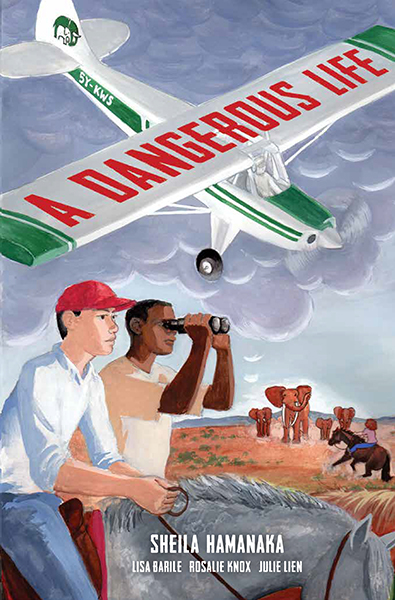
Photo by Animal Welfare Institute
AWI and the Kenya Wildlife Service publish A Dangerous Life, a graphic novel written and illustrated by Sheila Hamanaka with Lisa Barile, Rosalie Knox, and Julie Lien about an American teen's trip to Africa and her discovery of the terrible price elephants pay because of the global ivory trade.
AWI releases Label Confusion, a report highlighting the USDA's failure to verify the accuracy of animal welfare and sustainability claims on meat and poultry products sold in the United States. The report is now in its third edition.
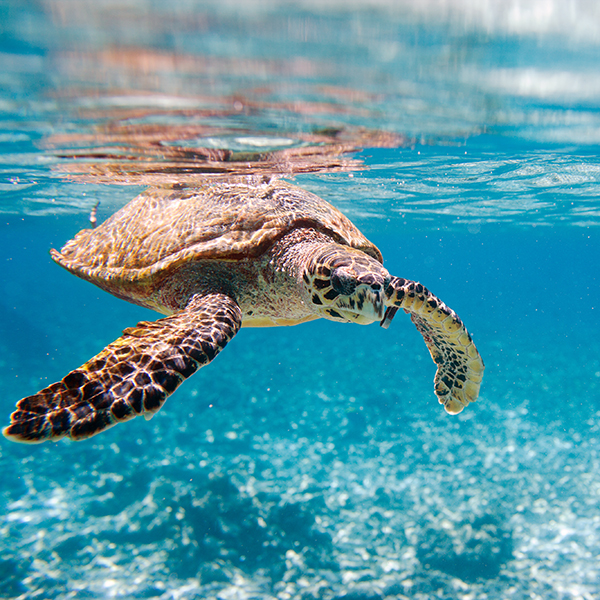
Photo by shalamov
In response to a lawsuit filed by AWI and allies, a federal court rules that the National Marine Fisheries Service acted illegally in approving US Navy testing and training activities in the Pacific Ocean that would cause widespread harm to cetaceans, other marine mammals, and sea turtles.
Learn MoreAWI publishes Monkeys Don't Wear Diapers: Heartwarming and Heartbreaking Stories from a Monkey Sanctuary, by OPR Coastal Primate Sanctuary founder and director Polly Schultz and AWI laboratory animal advisor Dr. Kenneth Litwak, to highlight the tragic consequences of the primate pet trade.
In response to an AWI petition, the USDA adopts World Organisation for Animal Health fitness-to-travel criteria for the export of farmed animals from the United States by sea.
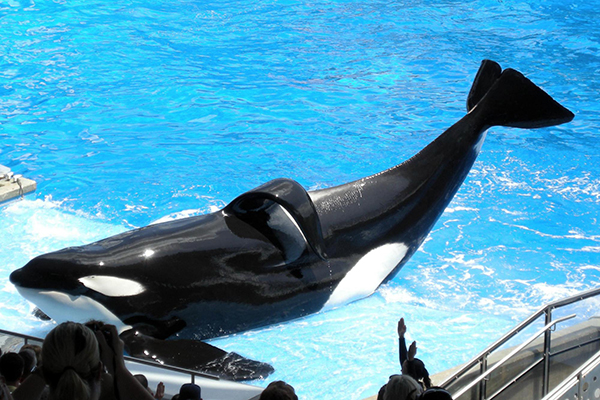
Photo by Milan Boers
SeaWorld announces that it will end its orca breeding program, signaling a phase-out of the keeping and display of orcas in all its parks. The move follows the 2012 publication of David Kirby's book Death at Seaworld and the 2013 release of Gabriela Cowperthwaite's documentary Blackfish, both of which involved marine biologist Dr. Naomi Rose, who joined AWI's staff in late 2013.
The USDA reaches a settlement agreement with Santa Cruz Biotechnology Inc. one of the world's largest research antibody suppliers resulting in the cancellation of the facility's research registration, revocation of its dealer license, and payment of a historic $3.5 million civil penalty. The settlement follows investigative reporting by AWI chronicling years of USDA inspectors citing the company for numerous egregious violations of the Animal Welfare Act.
Learn MoreCalifornia enacts an AWI-cosponsored law to prohibit the breeding and theatrical performance of captive orcas in California, as well as their export, consistent with federal law, out of North America.
The Eliminate, Neutralize, and Disrupt (END) Wildlife Trafficking Act is signed into law. It strengthens enforcement and enhances interagency and international coordination on efforts to combat wildlife trafficking.
AWI releases Barn Fires: A Deadly Threat to Farm Animals. The report analyzes five years of data compiled by AWI since 2013 on farmed animal deaths in barn fires in the United States and offers recommendations for improved fire safety. The report is now in its third edition.
Learn More
Photo by Carlo Prearo
Provisions of the Pet and Women Safety (PAWS) Act are signed into law as a component of an omnibus farm bill. It establishes a grant program for entities that provide shelter and housing assistance for domestic violence survivors with pets. It further includes pets, support animals, and horses in federal laws against interstate stalking and protection order violations.
Learn MoreAWI leads a successful effort to persuade the National Marine Fisheries Service to list the Taiwanese white dolphin as endangered under the Endangered Species Act.
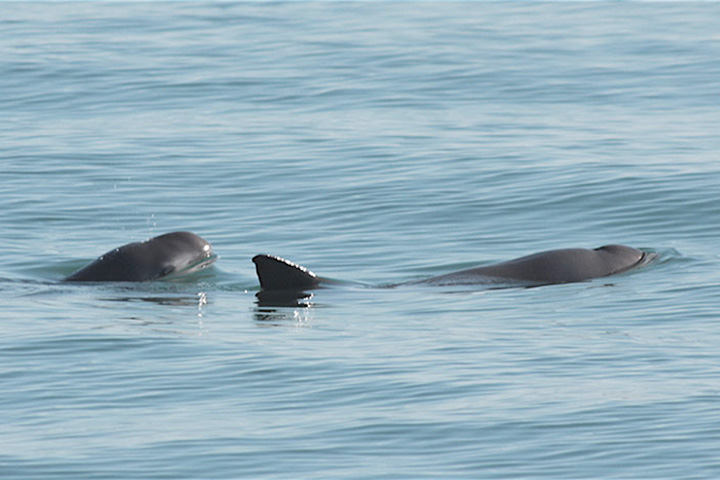
Photo by Thomas Jefferson
Responding to a lawsuit filed by AWI and allies, the US Court of International Trade orders the federal government to ban seafood imports from Mexico caught with gillnets that kill critically endangered vaquita porpoises.
Learn MoreFollowing a lawsuit filed by AWI and allies, the Bureau of Land Management abandons plans to subject mares rounded up from Oregon's Warm Springs Herd Management Area to cruel surgical sterilization experiments.
Learn MoreThe Child and Animal Abuse Detection and Reporting Act is introduced in Congress. This AWI-backed legislation would expand the data collected in connection with child abuse cases to include information about animal abuse.
Learn More
Photo by Stu Porter
CITES member nations vote to prohibit the capture of elephants from Zimbabwe and Botswana for export to zoos and circuses around the world. AWI had been heavily involved in deliberations to help secure this outcome.
Following a successful AWI challenge, the Better Business Bureau's National Advertising Division recommends that Hatfield Quality Meats discontinue the claim "ethically raised by family farmers committed to a higher standard of care, governed by third party animal audits" on product packaging for its pork products. It is the first instance of the division recommending that a company remove an animal welfare claim from a meat product.
The Preventing Animal Cruelty and Torture (PACT) Act is signed into law. It explicitly bans certain egregious acts of animal cruelty, including the creation and distribution of crush videos.
Photo by Mission Mutt Dog Rescue
AWI launches the Animal Welfare Institute Scholarship for high school students who have a demonstrated history of animal welfare activities and who plan to pursue post-secondary educational opportunities leading to a career helping animals.
Learn More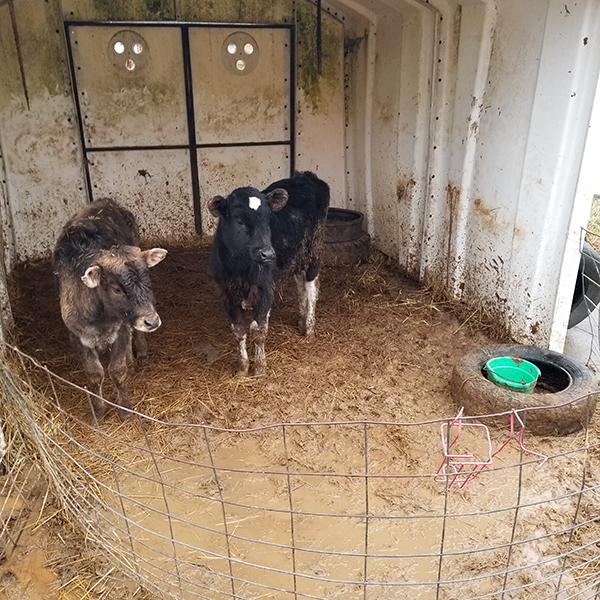
AWI releases Enforcement of State Farmed Animal Welfare Laws, a report analyzing the primary types of state farmed animal welfare laws and the degree to which such laws are enforced. The report is now in its second edition.
Learn MoreFollowing an AWI-led coalition campaign, Colorado bans wildlife killing contests involving furbearers, including coyotes, bobcats, foxes, and prairie dogs. AWI and coalition partners subsequently achieve similar bans in other states.
Learn More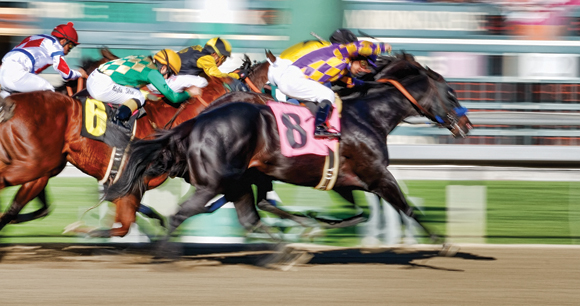
Photo by Suzanne Neubauer
The Horseracing Integrity and Safety Act is signed into law as a component of an omnibus appropriations bill. It establishes federal oversight of thoroughbred horseracing through the Horseracing Integrity and Safety Authority, which is responsible for creating and enforcing rules to prevent doping and improve equine welfare and racetrack safety.
Learn MoreWith support from AWI, the Ejiao Act is introduced in Congress. The bill would prohibit the transport or sale of products containing ejiao and of donkeys and hides to produce ejiao a trade that has decimated global donkey populations and resulted in enormous cruelty.
Learn More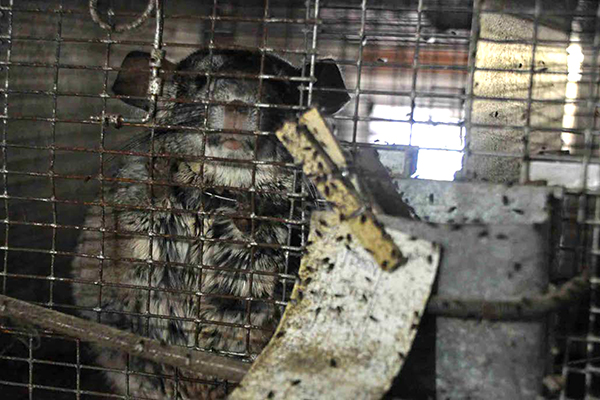
Photo by USDA
The dealer license of Dan Moulton owner of Moulton Chinchilla Ranch (MCR), one of the nation's only dealers of chinchillas for experimentation is permanently revoked. The decision comes on the heels of AWI's investigative reporting about abysmal conditions at the facility and the USDA's failure to enforce the Animal Welfare Act against this dealer.
Learn MoreIn settlement of a 2018 lawsuit filed by AWI and Farm Sanctuary, the USDA agrees to publicly disclose on its website records dating back to January 2017 pertaining to enforcement of the Humane Methods of Slaughter Act and the Poultry Products Inspection Act.
Learn MoreAWI and other organizations release an open letter to the American Veterinary Medical Association, adding their voices to the more than 3,500 veterinary professionals who signed a petition calling on the AVMA to reclassify ventilation shutdown plus which involves inducing heatstroke in a sealed barn as a "not recommended" method for depopulating flocks or herds of animals.
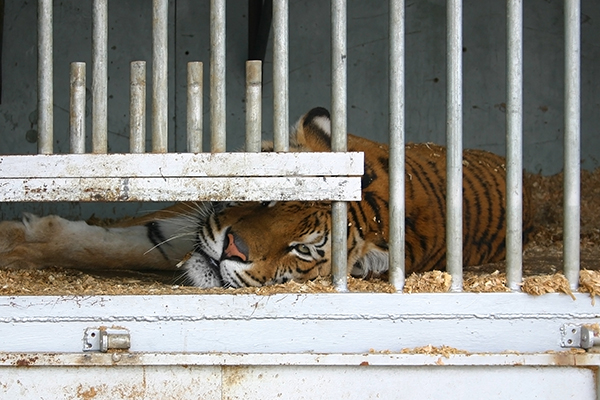
Photo by linleo
The Big Cat Public Safety Act is signed into law, ending the big cat pet trade in the United States. It bans private possession of lions, tigers, leopards, cheetahs, jaguars, cougars, or any hybrid of these species. The law also prohibits cub petting, photo op, and similar enterprises that have spurred relentless cycles of breeding and abuse.
Learn MoreThe Shark Fin Sales Elimination Act is signed into law, prohibiting the commercial trade of shark fins and products containing shark fins in the United States.
Learn More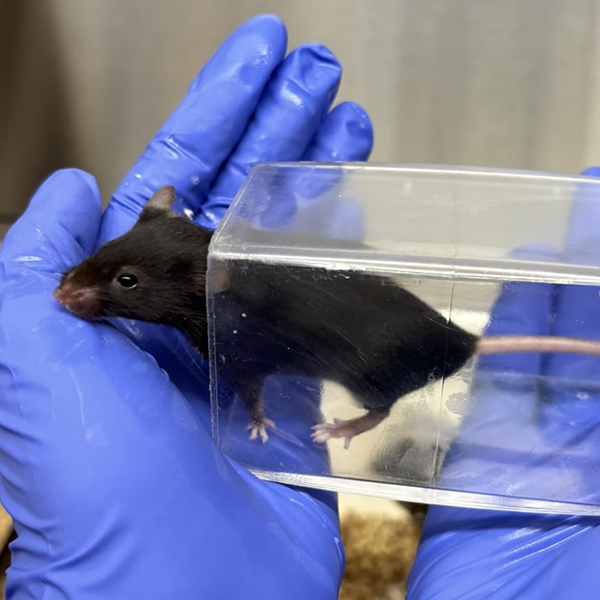
Photo by Veronica Swain
AWI launches an Implementing Refinement Grant program, providing up to $8,000 toward the purchase of equipment or staff training in handling and husbandry techniques that improve the welfare of animals in laboratories. The program adds to AWI's existing Refinement Research Award, which funds research to develop novel refinement methods.
AWI's president, Cathy Liss, retires after four decades with the organization and two decades at the helm. Susan Millward, director of AWI's Marine Wildlife Program, is subsequently appointed to lead AWI as chief executive officer and executive director.
AWI and allies submit a rulemaking petition to the USDA to require pig slaughter plants to install cameras inside gondola cages used in carbon dioxide stunning systems to monitor compliance with the Humane Methods of Slaughter Act.
Learn MoreWith support from AWI, the Mink VIRUS Act is introduced in Congress. This bill would phase out US mink farms within one year and establish a grant program to reimburse farmers for the full value of their operations.
Learn More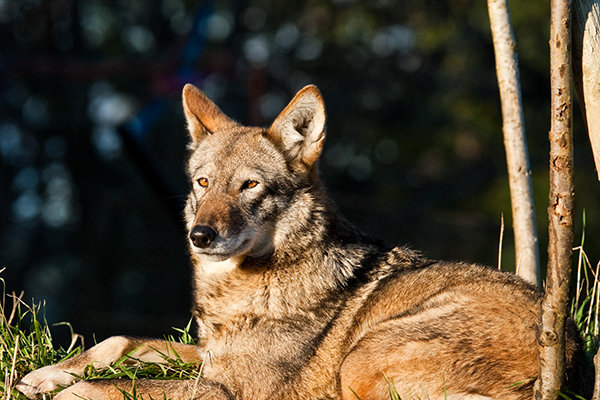
Photo by Jeff Goulden
To resolve a 2020 lawsuit brought by AWI and allies, the US Fish and Wildlife Service announces a historic settlement whereby the agency recommits to its earlier successful efforts to conserve and recover the world's only wild red wolf population, located in North Carolina.
Learn MoreThe USDA finalizes the Organic Livestock and Poultry Standards Rule for animals raised under the National Organic Program. AWI had provided extensive input toward development of the rule, which requires outdoor access and prohibits certain types of mutilations, extreme confinement, and transport of animals unfit to travel.
The BLM bans wildlife-killing M-44 cyanide devices across 245 million acres of BLM-managed lands.
In response to a petition filed by AWI and allies, the Atlantic humpback dolphin is listed as endangered under the Endangered Species Act.
Learn More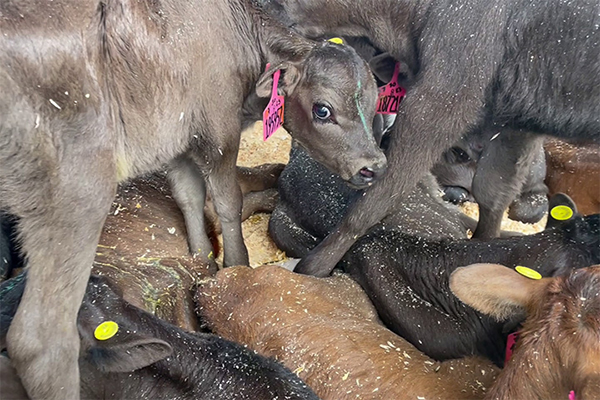
Photo by Animals' Angels
AWI petitions the USDA to prohibit the interstate shipment of newborn calves and other animals who are sick, injured, or disabled. Prior to filing the petition, AWI research had revealed that the industry routinely subjects hundreds of thousands of young, unweaned calves to stressful journeys of up to 1,000 miles or more throughout the country.
Learn MoreAWI launches the Center for the Study of NIBRS Animal Cruelty Data, a first-of-its-kind resource to facilitate access by researchers to animal cruelty crime data collected through the Federal Bureau of Investigation's National Incident-Based Reporting System.
Learn More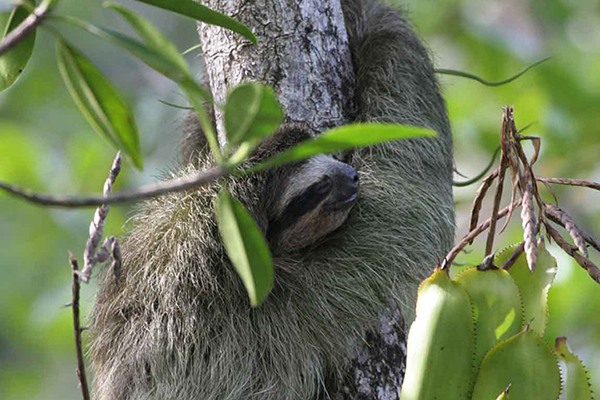
Photo by Bryson Voirin
In response to an AWI petition, the US Fish and Wildlife Service proposes listing the pygmy three-toed sloth as threatened under the Endangered Species Act.
After sustained pressure by AWI and other equine advocates, the USDA finalizes new regulations under the Horse Protection Act to safeguard Tennessee walking horse and related breeds from the abusive practice of soring. Implementation of the regulations, however, has been delayed.
Learn MoreFollowing years of advocacy by AWI, the National Fire Protection Association's Technical Committee on Animal Housing adds a sprinkler system requirement for medium- to large-sized commercial agriculture facilities to its Fire and Life Safety in Animal Housing Facilities Code (NFPA 150).
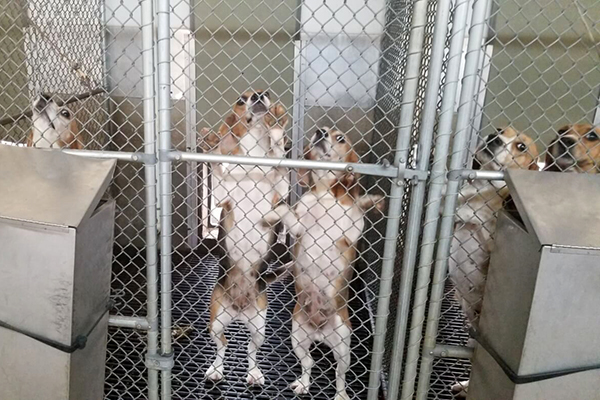
Photo by PETA
Biomedical company Envigo RMS LLC pleads guilty to conspiring to violate the Animal Welfare Act following a Department of Justice investigation into conditions at a beagle-breeding facility in Virginia. Envigo's parent company, Inotiv, guarantees a record payment of $35 million in penalties, including $11 million for conspiring to violate the law. AWI had reported extensively on the situation and repeatedly called on the USDA to take substantive action.
AWI and international allies release a report that reveals the presence of contaminants in Norwegian whale meat that are linked to serious health effects.
Learn MoreThe Council of the United States-Mexico-Canada Agreement votes unanimously to investigate Mexico's failure to protect the critically endangered vaquita porpoise. The decision comes after AWI and its allies submitted evidence that Mexico is not honoring its obligations under the agreement related to protection of this species.
Learn MoreAWI expands its Safe Havens for Pets online directory of sheltering services for pets of domestic violence survivors to include services that also assist individuals who are experiencing homelessness with a pet.
For the second consecutive year, Iceland's largest whaling company, Hvalur hf., announces that it will not hunt fin whales due to global economic conditions that make it unprofitable. Hvalur's actions follow decades of campaigning by AWI and others to turn public opinion against commercial whaling.
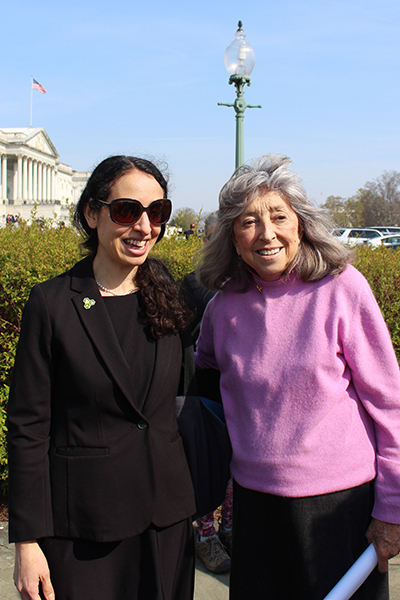
Photo by Animal Welfare Institute
With encouragement from AWI, members of Congress form the Congressional Wild Horse Caucus to advance humane, science-based solutions to manage wild equine populations.
With support from AWI, Colorado enacts the nation's most comprehensive legislation to combat wildlife trafficking. It establishes criminal penalties for selling, possessing, transporting, importing, or exporting threatened and endangered species found in Colorado, the United States, and globally and empowers Colorado Parks and Wildlife to investigate the impacts of wildlife trafficking.
Hawai'i adopts regulations to protect cattle, sheep, goats, and other farmed animals transported via barge between the state's islands. In partnership with local and national groups, AWI had provided oral and written testimony in support of the protections.
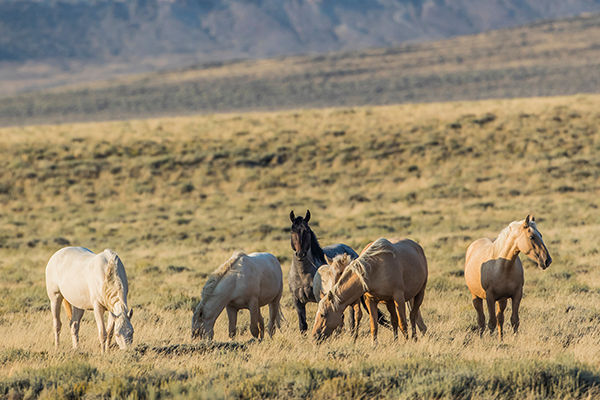
Photo by Elizabeth Boehm/Danita Delimont
In response to a lawsuit brought by AWI and allies, the US Court of Appeals for the Tenth Circuit rules that the BLM violated federal law by failing to consider a core requirement of the Wild Free-Roaming Horses and Burros Act in its plan to permanently remove wild horses from more than 2 million acres of public lands in Wyoming's Checkerboard region.
Learn More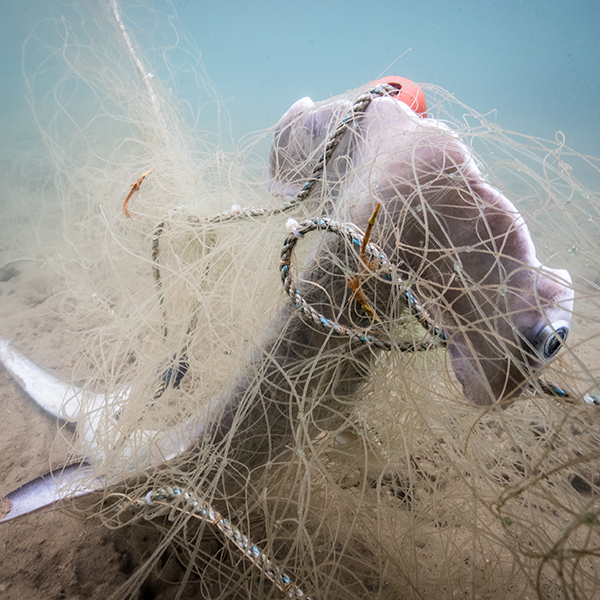
Photo by Toby Matthews
In settlement of a lawsuit filed by AWI and other organizations, the National Marine Fisheries Service makes a determination that, in accordance with US law, 42 nations must be barred from exporting certain seafood products to the United States due to their fishing industry's failure to meet US standards for limiting marine mammal bycatch.
Learn MoreFollowing years of advocacy from AWI and other organizations, the National Institutes of Health changes its policy to allow grant funds to be used for the rehoming and retirement of animals used in laboratories.
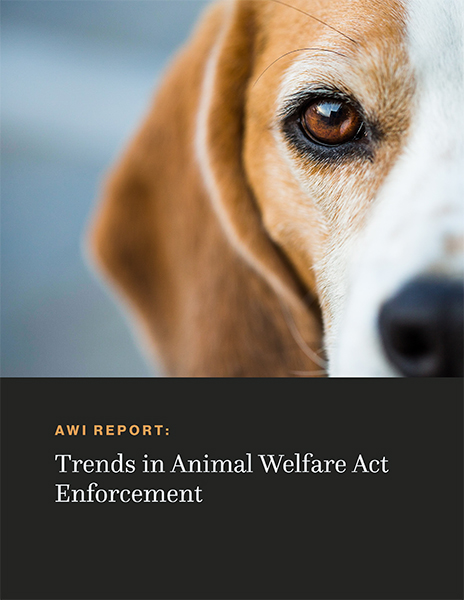
Photo by Animal Welfare Institute
AWI releases Trends in Animal Welfare Enforcement, a report documenting the USDA's near-abandonment of fines to address Animal Welfare Act violations in recent years and analyzing potential causes.
At the twentieth meeting of the Conference of the Parties to CITES, all of AWI's priority listing proposals are adopted, resulting in protections for Dorcas gazelles, Chilean rose-haired tarantulas, and a number of other species imperiled by international trade in the animals.
AWI celebrates its 75th anniversary.